Project overview
The primary objective of this project was to create a user-friendly platform for healthcare professionals to easily discover and access relevant medical events. Besides this, it was necessary to create an easy-to-manage system, to be administered by the project managers from the organizing team.
Problem Statement
In Romania, doctors are required to attend multiple medical events annually to earn continuing medical education credits, yet their busy schedules often prevent them from finding the most suitable events.
The solution
Creating a platform that centralizes all types of medical events, and the user can choose, register and then participate in the chosen event.

Understanding User Needs
My research began with interviews and surveys targeting healthcare professionals in Romania. We aimed to understand their challenges in discovering and attending medical events, their preferences regarding event types, topics, and formats, as well as their expectations from a centralized platform.
Insights
Time Constraints: Many participants expressed frustration with their busy schedules and the time-consuming process of finding relevant events.
Information Overload: Users reported feeling overwhelmed by the abundance of available events and the lack of a centralized resource to streamline their search.
Preference for Customization: There was a strong desire for personalized event recommendations tailored to individual specialties, interests, and CME credit requirements.
Competitive Analysis
Analyzed existing platforms and tools catering to medical event discovery to identify strengths, weaknesses, and opportunities for differentiation. Key findings included:
Fragmented Solutions: Existing platforms often lacked comprehensive event listings or intuitive user interfaces, leading to fragmented user experiences.
Limited Customization: Few platforms offered personalized recommendations or advanced filtering options, leaving users with limited control over their event selection process.
Administrative Features: Some platforms lacked robust administrative features for event organizers, highlighting an opportunity to provide value for both users and organizers.
User Persona Development
Based on our research findings, I developed user personas representing different segments of healthcare professionals. These personas encapsulated the diverse needs, preferences, and pain points of our target audience, guiding our design and feature prioritization decisions.
Another type of users was the project managers from the organizing company, who needed to be able to create the events and then upload the necessary information for each one.
Stakeholder sessions
Conducted meetings with project managers and organizing team members to gather insights into their requirements and preferences for managing the platform. Insights obtained included:
Administrative Efficiencies: Project managers emphasized the importance of streamlined event management processes, including event creation, scheduling, and content management.
User Support Needs: There was a consensus on the need for robust user support features to address inquiries, resolve issues, and provide assistance throughout the event lifecycle.
Insights and Learnings
Through our research and iterative design process, we gained several key insights:
Healthcare professionals value simplicity and efficiency when searching for and registering for medical events.
Personalization and tailored recommendations greatly enhance user engagement and satisfaction.
Clear communication of event details, accreditation status, and registration process is essential to building trust and credibility with users.
Mobile accessibility is crucial, as healthcare professionals often access such platforms on-the-go.
These insights guided the design and development process, ensuring that the platform effectively addresses the needs and preferences of healthcare professionals, while providing value to event organizers and project managers.
User Journey Mapping
Mapping out the user journey helped me visualize the end-to-end experience of doctors, from initial event discovery to registration and participation. This process allowed me to identify pain points, bottlenecks, and opportunities for optimization throughout the user journey.

Wireframing and Prototyping
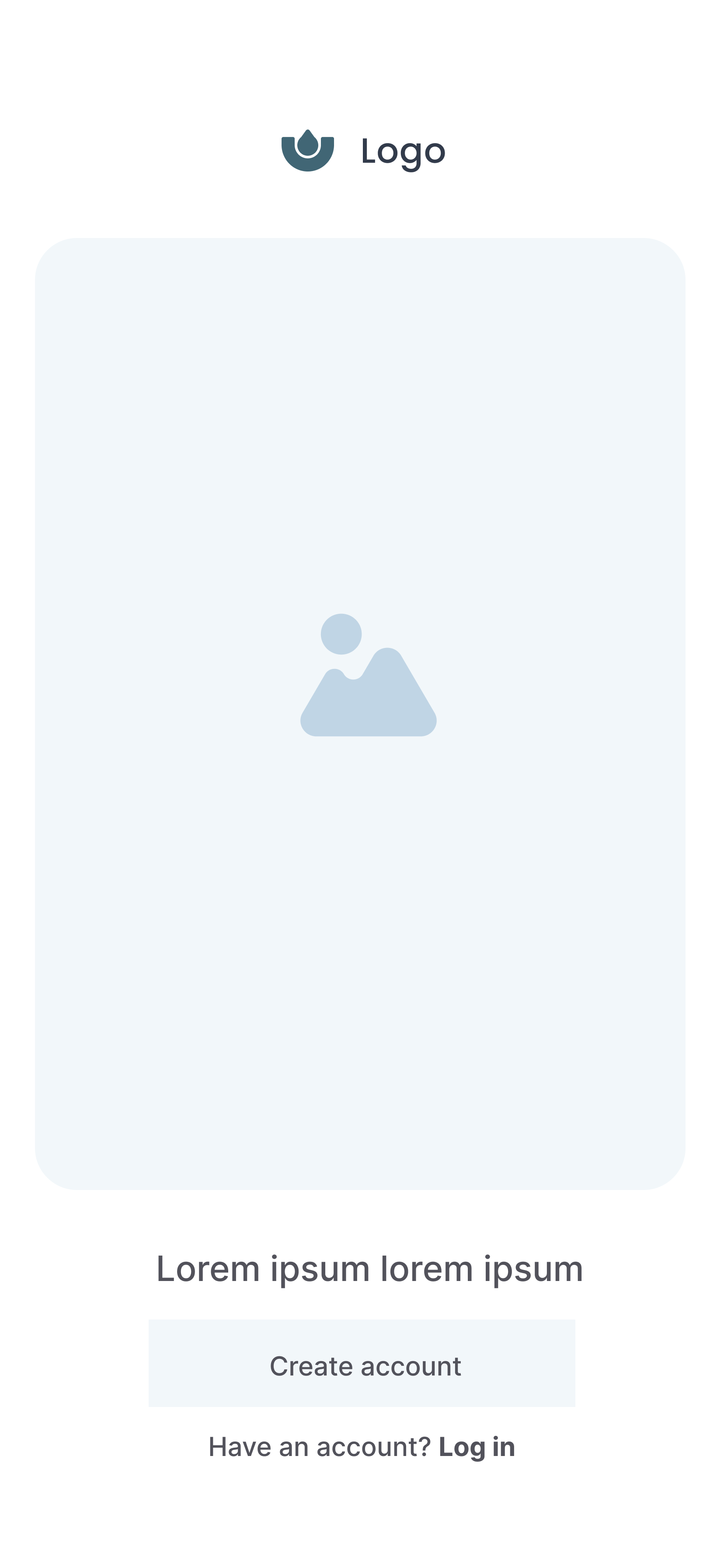
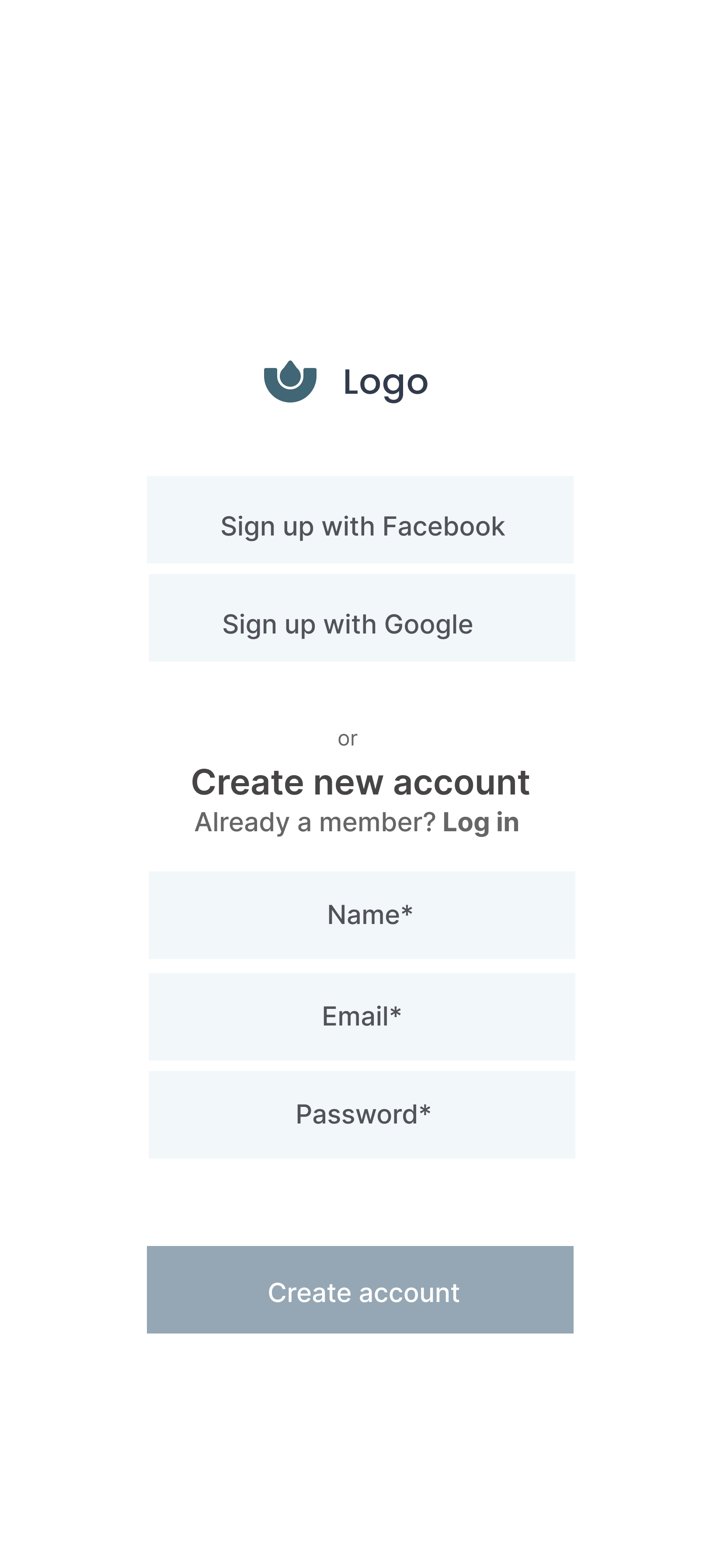
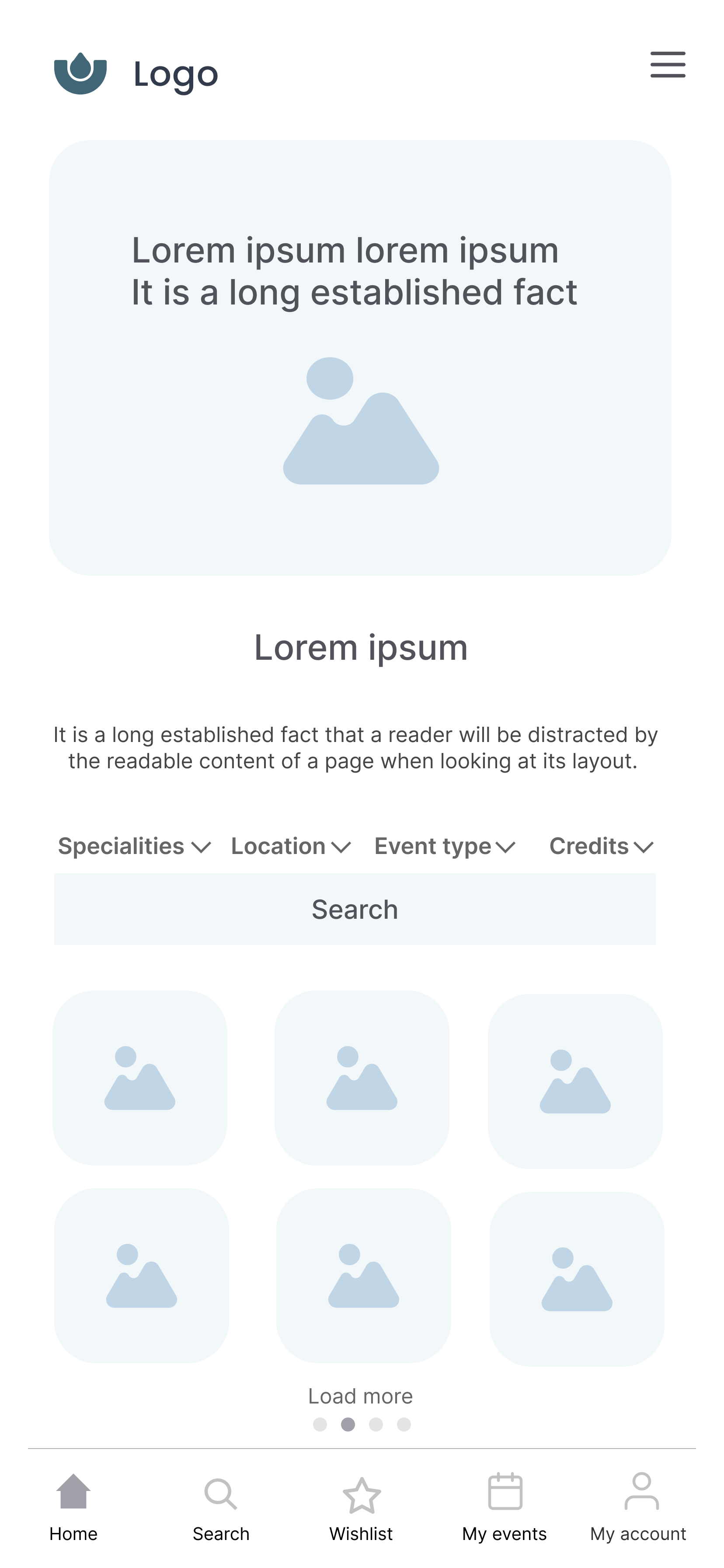
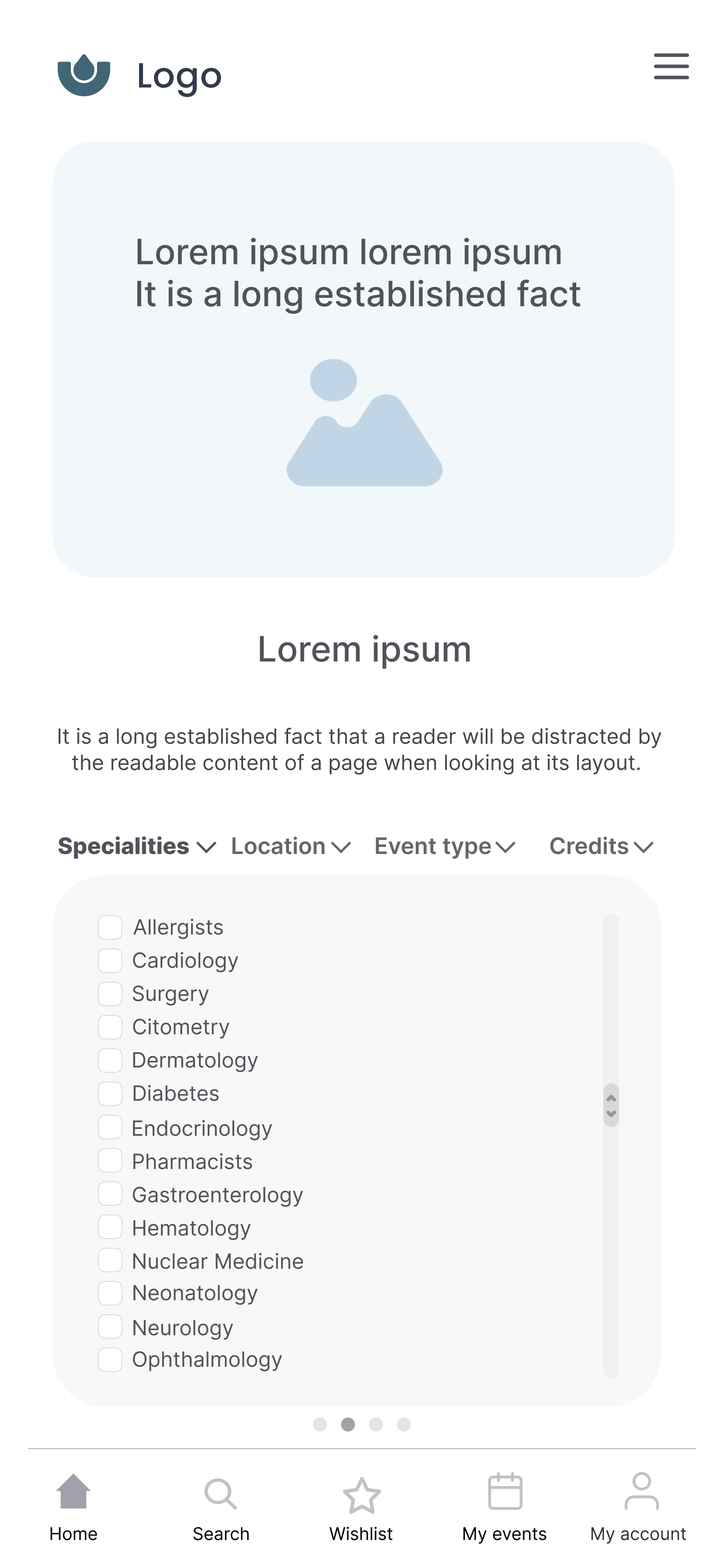
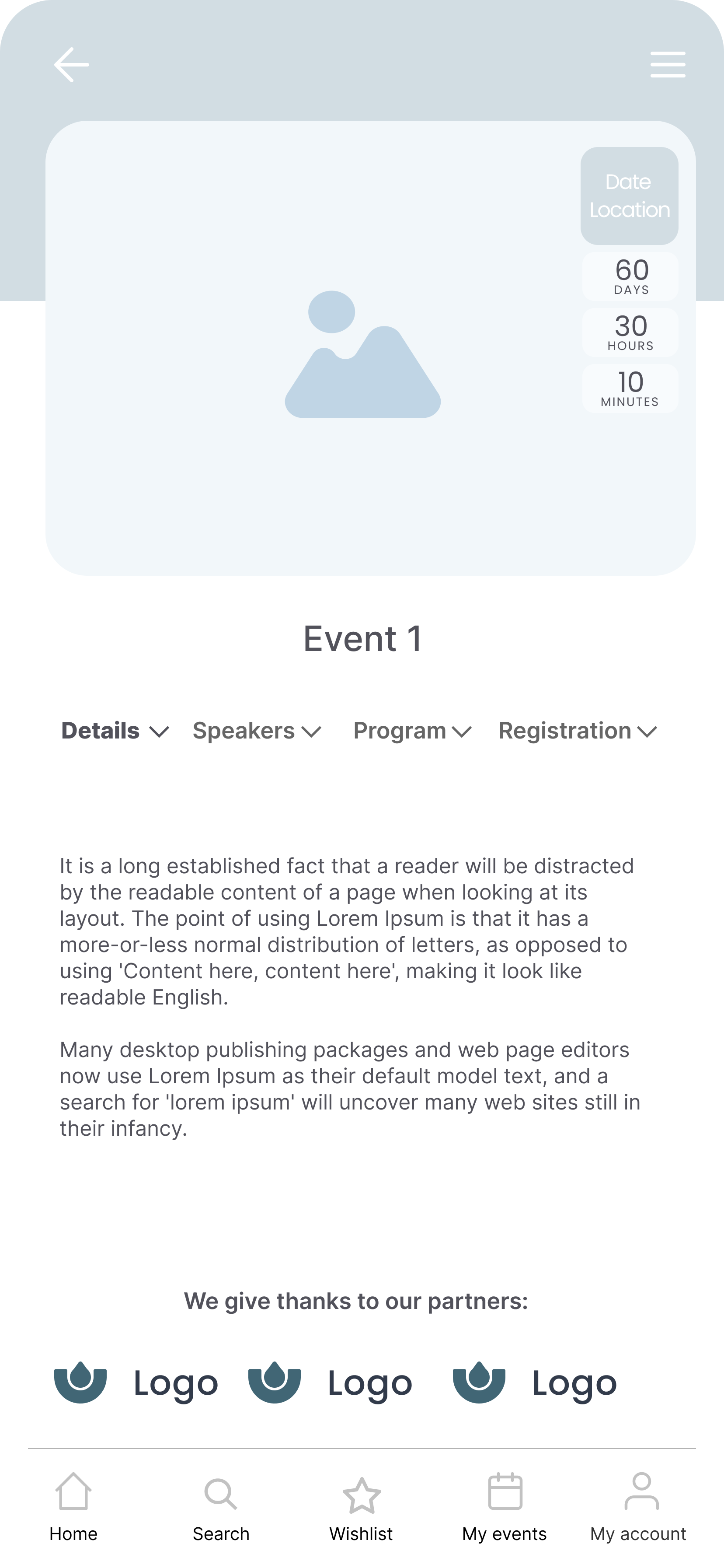
I used wireframing tools to create low-fidelity prototypes, outlining the basic layout, structure, and functionality of the platform. Iterative feedback loops were established with stakeholders and potential users to refine the wireframes and ensure alignment with user needs and project objectives.
User Testing
Conducted user testing sessions with representative users to validate the usability, functionality, and overall user experience of the platform. Feedback gathered during testing sessions informed further refinements and optimizations, ensuring that the final design effectively addresses user needs and preferences.
Visual Design
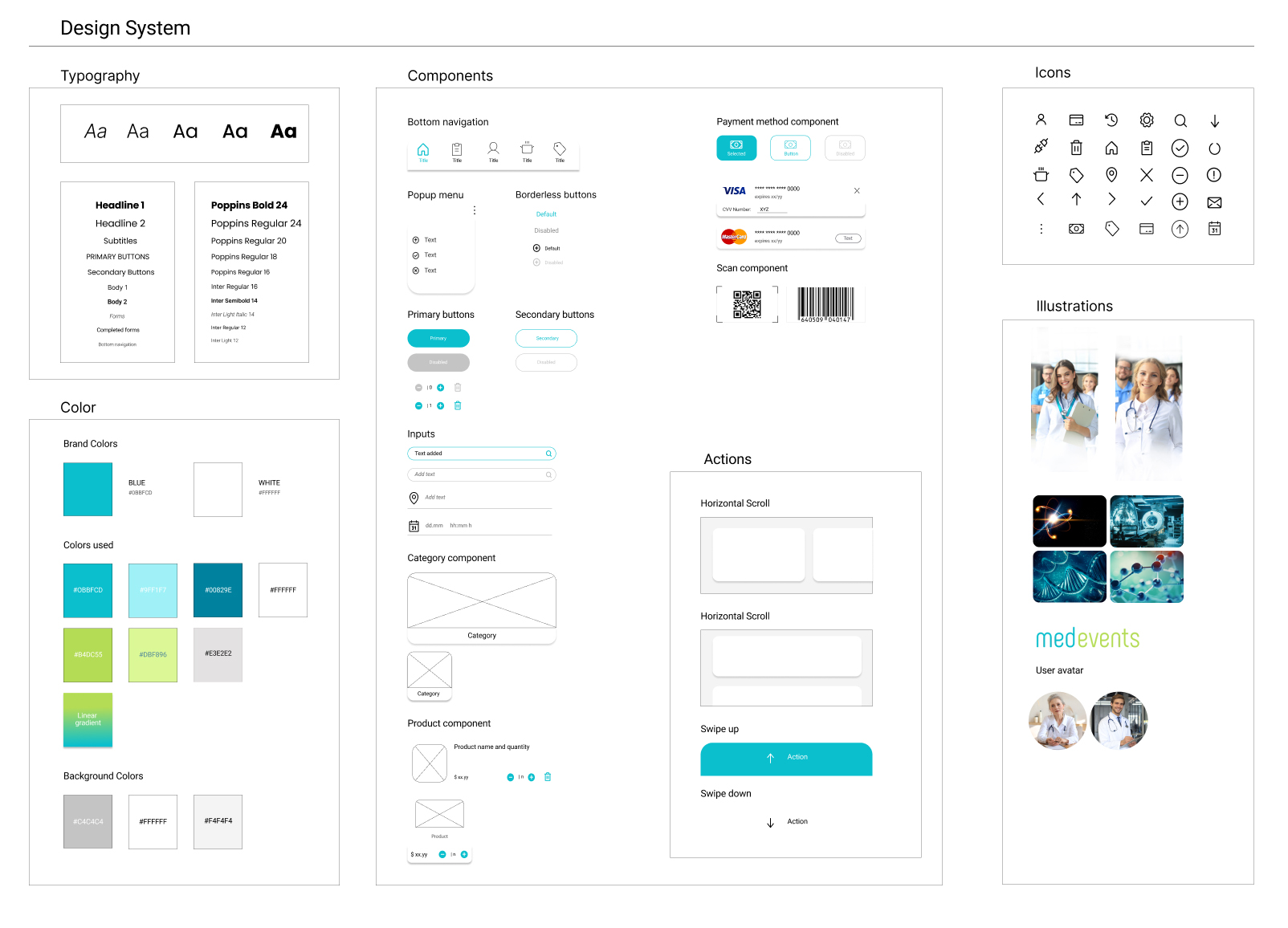
Developed a visual design language and style guide for the platform, incorporating elements such as color palettes, typography, and iconography to create a cohesive and visually appealing interface. The visual design aimed to enhance usability, readability, and brand identity while adhering to accessibility standards.
Design System Development
Established a comprehensive design system comprising reusable components, UI patterns, and style guidelines to maintain consistency and scalability across the platform. This facilitated efficient collaboration among design and development teams and ensured a cohesive user experience throughout the platform.
Iterative Design
Implemented an iterative design process, continuously refining and enhancing the platform based on user feedback, usability testing results, and stakeholder input. Iterations focused on addressing identified pain points, improving navigation clarity, and optimizing user interactions to create a seamless and intuitive user experience.
Responsive Design
Ensured compatibility and optimal user experience across various devices and screen sizes by implementing responsive design principles. The platform was designed and tested to adapt fluidly to different viewport dimensions, providing consistent functionality and visual aesthetics across desktop, tablet, and mobile devices.
Final Design Delivery:
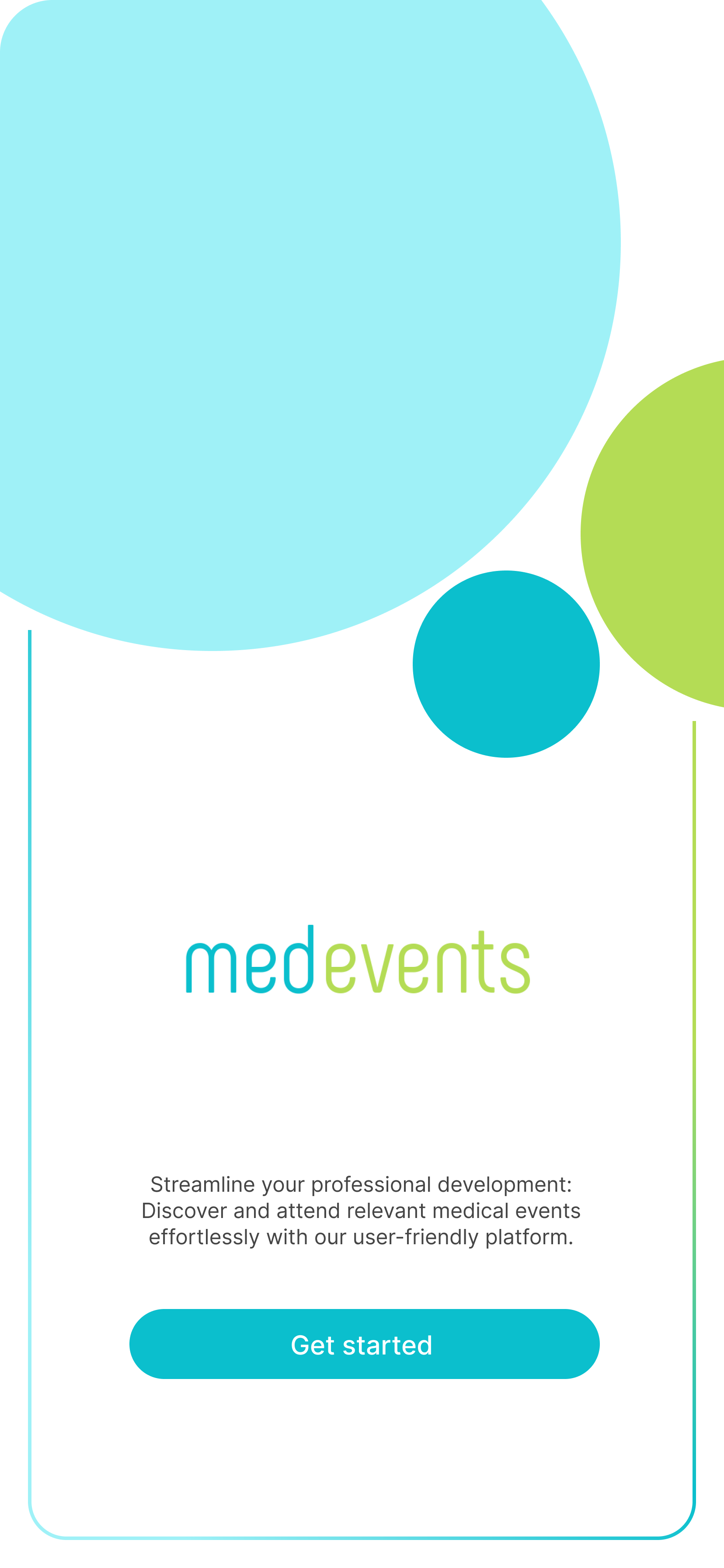
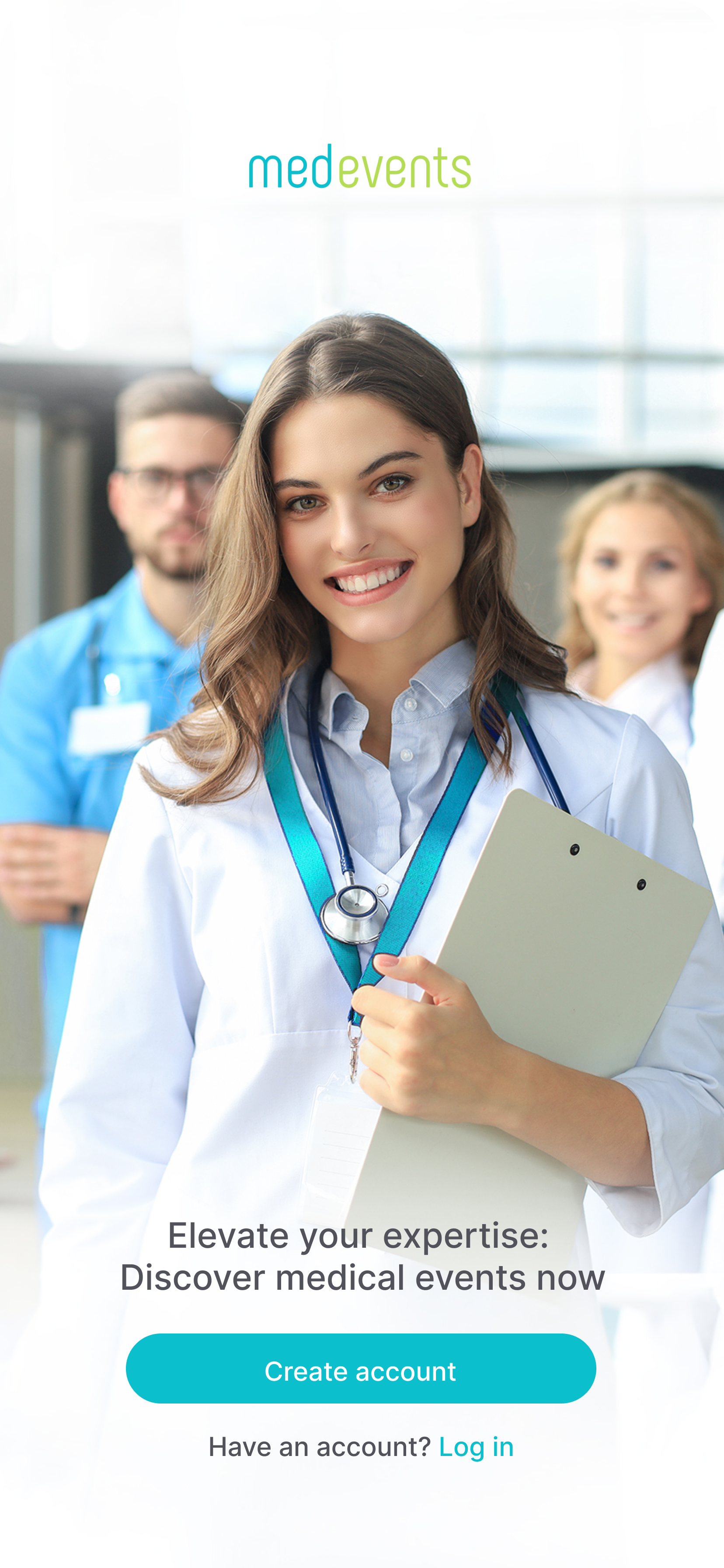
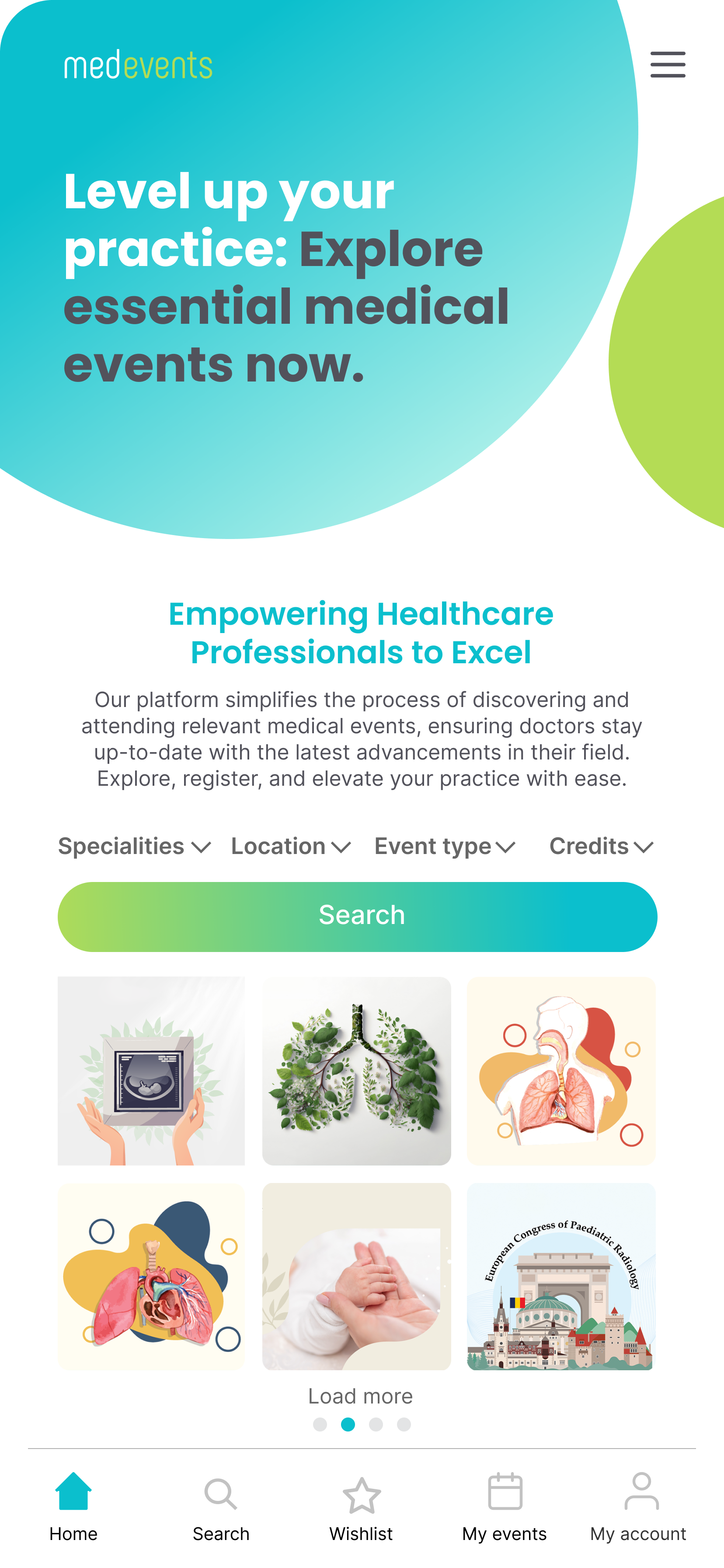
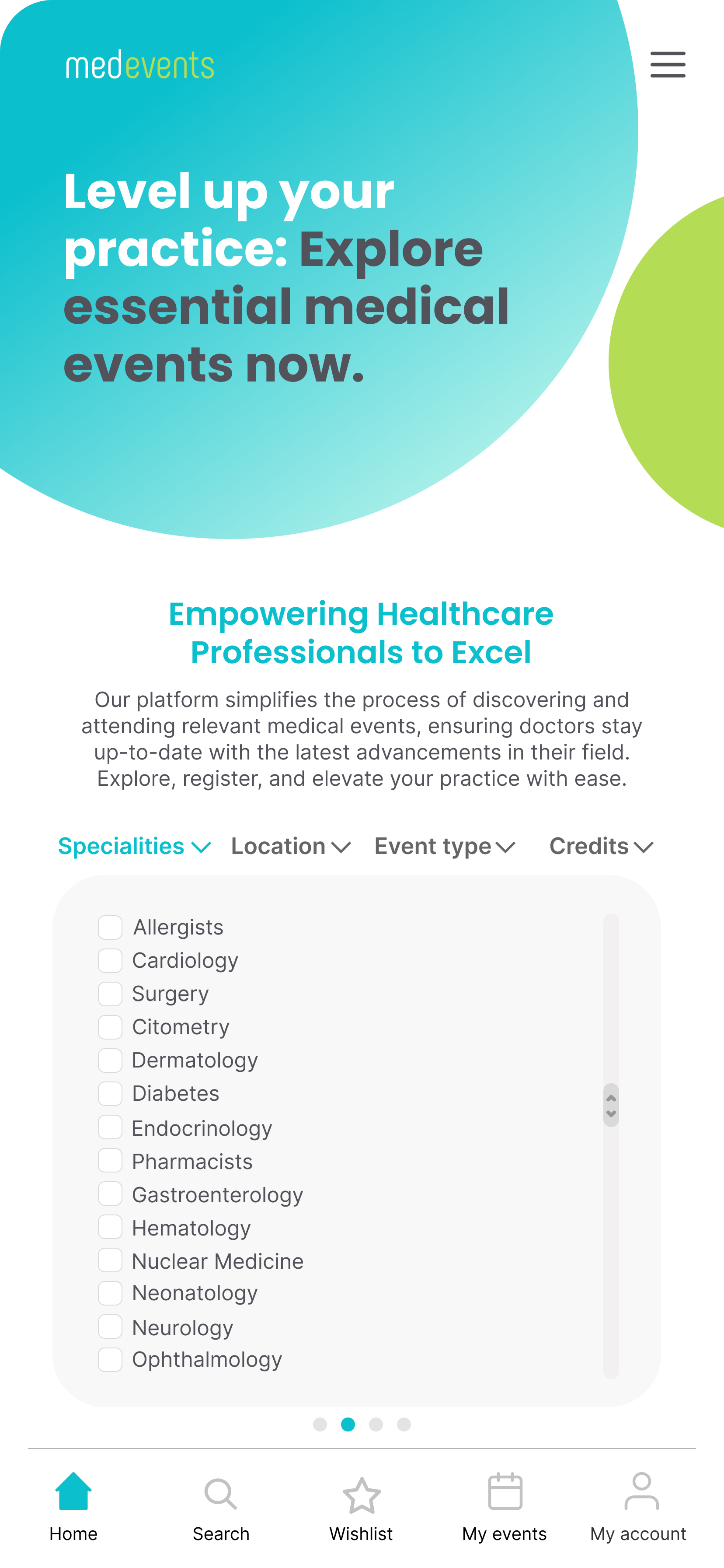
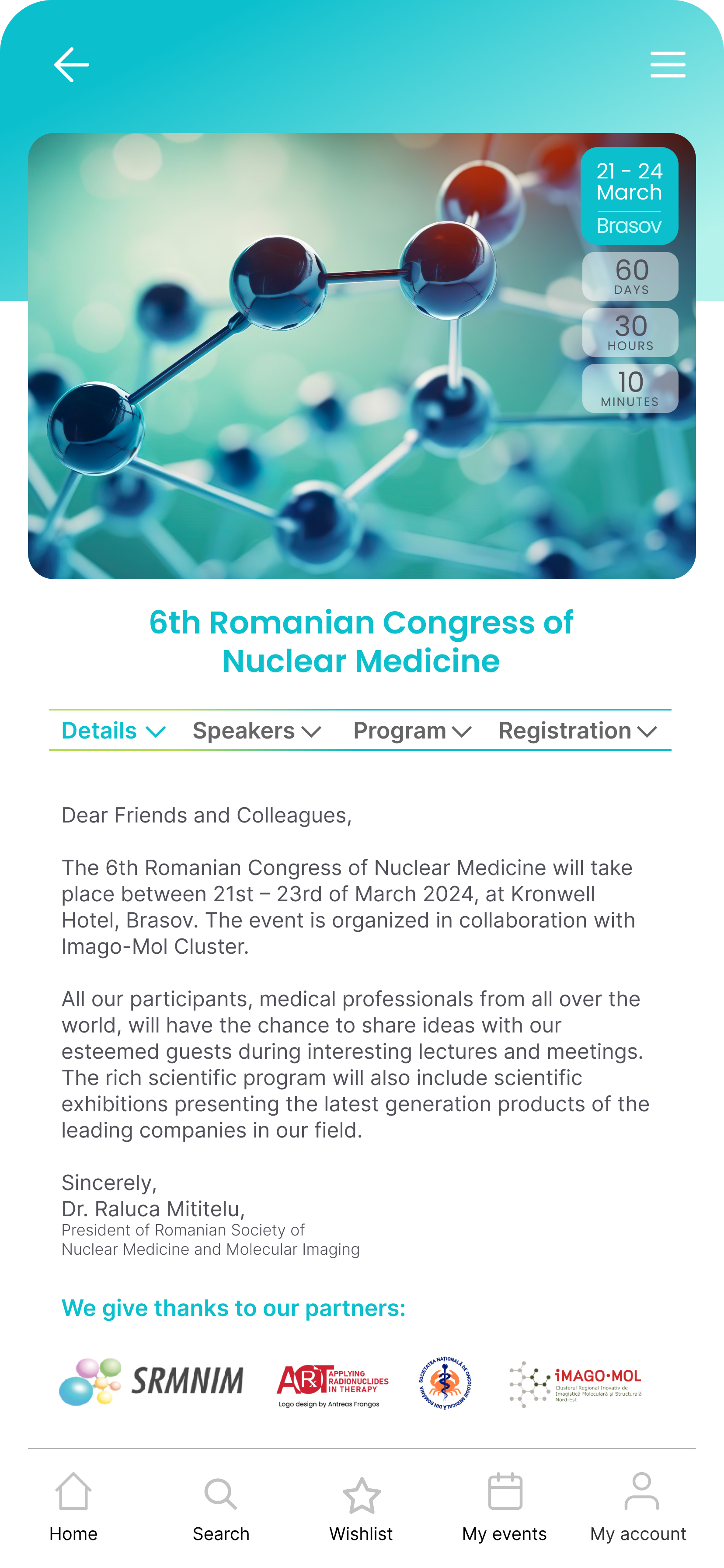
Delivered final design assets, including high-fidelity mockups, design specifications, and interactive prototypes, to development teams for implementation. Collaboration with developers continued during the implementation phase to ensure fidelity to the design vision and address any design-related challenges or requirements.

Results
Impact on Business:
Increased User Engagement: Following the implementation of the design solutions, there was a notable increase in user engagement metrics, including the number of registered users, event registrations, and active participation rates. This heightened user engagement translated to enhanced opportunities for event organizers to reach and connect with healthcare professionals, driving business growth and visibility within the medical community.
Streamlined Administrative Processes: The design solutions contributed to streamlining administrative processes for event organizers and project managers, resulting in improved efficiency and productivity. Tasks such as event creation, scheduling, and content management were simplified, reducing administrative overhead and enabling organizers to focus on delivering high-quality events.
Enhanced Brand Reputation: The intuitive and user-friendly design of the platform enhanced the brand reputation and credibility of the organizing team. Positive user feedback and increased user satisfaction with the platform’s usability and functionality reflected positively on the brand, attracting new users and fostering long-term relationships with existing ones.
Success Metrics:
User Acquisition Rate: Tracking the rate of new user registrations following the implementation of the design solutions provides insights into the platform’s effectiveness in attracting and onboarding healthcare professionals.
Event Registration Conversion Rate: Monitoring the conversion rate of users from browsing event listings to completing event registrations indicates the platform’s ability to facilitate seamless registration experiences and drive user action.
User Retention Rate: Assessing the percentage of users who continue to engage with the platform over time demonstrates its effectiveness in retaining and sustaining user interest and participation in medical events.
Administrative Efficiency Metrics: Measuring metrics such as time saved in event management tasks, reduction in manual errors, and increased productivity among project managers provides tangible evidence of the design solutions’ impact on streamlining administrative processes.
User Satisfaction Scores: Conducting user satisfaction surveys or collecting qualitative feedback from users allows for the evaluation of user perceptions and satisfaction levels with the platform’s design and functionality.